
When Remakes Infested Horror: A 2000s Retrospective
Or surviving the Platinum Dunes apocalypse

I actually like the idea of remakes.
Now, before you light your torches and sharpen your pickaxes, I certainly share common frustrations with modern remake culture. I think that mainstream film studios rely way too much on previously established IP and that audiences have trained themselves to seek out nostalgia over substance. It makes total sense why the word “remake” is enough to make many filmgoers uninterested. However, when done right, retellings can be one of the purest forms of storytelling.
For me, remakes are at their best when dealing with similar themes and visual motifs as their source material without retreading the same story beat-for-beat. One of my favorite remakes of all time, John Carpenter’s The Thing, has almost no resemblance to its 1950’s inspiration, The Thing from Outer Space, but it perfectly captures the sci-fi paranoia fest that the original was attempting. Each version of A Star is Born tackles a different version of the music industry that changes the central dynamic in each film. Remakes can be great ways to gauge cultural shifts and evaluate how far film has come as an art form. Unfortunately, they’re usually just cheap cash grabs.
Nothing illustrated this greedy cinematic trend more than the horror genre in the 2000s. The decade was a transitional one for the genre. We were seeing the return of grindhouse aesthetics under a new name: torture porn, which acted as horror’s grizzly response to the 9/11 attacks. Around the same time, filmmakers were experimenting with found footage in the wake of the Blair Witch Project. While these sub-genres would go on to be pivotal to the genre’s evolution, the remakes defined what mainstream horror was.
The 2000s would not be the first time that the genre saw a ‘remake boom’. In the 70’s and 80s, many classic B-movies were being remade with modern technologies. This era produced many all-timers, including The Fly, Invasion of the Body Snatchers, and The Blob— some of which are better regarded than their originals. For the most part, these remakes were welcome and brought a previous generation’s nightmares to the screen in a contemporary way. Respected directors usually made these with real vision and respect for the genre. What we got in the 2000s was much more cynical and orchestrated.
Multiple trends collided to create this horror remake culture. Hollywood had caught wind of promising horror scenes bubbling up in Japan and Korea and wanted their own piece of the pie. What followed was a stream of Americanized J and K-horror remakes. As this was happening, 80s nostalgia was beginning to plant pop cultural seeds. This was long before Stranger Things would explode it, but the romanticization of the 1980s slowly began here. This is where all of our 80s slasher remakes come in. As these two trends peaked around the same time, it was hard to find a weekend in the 2000s that wasn’t premiering a new horror remake of some sort.
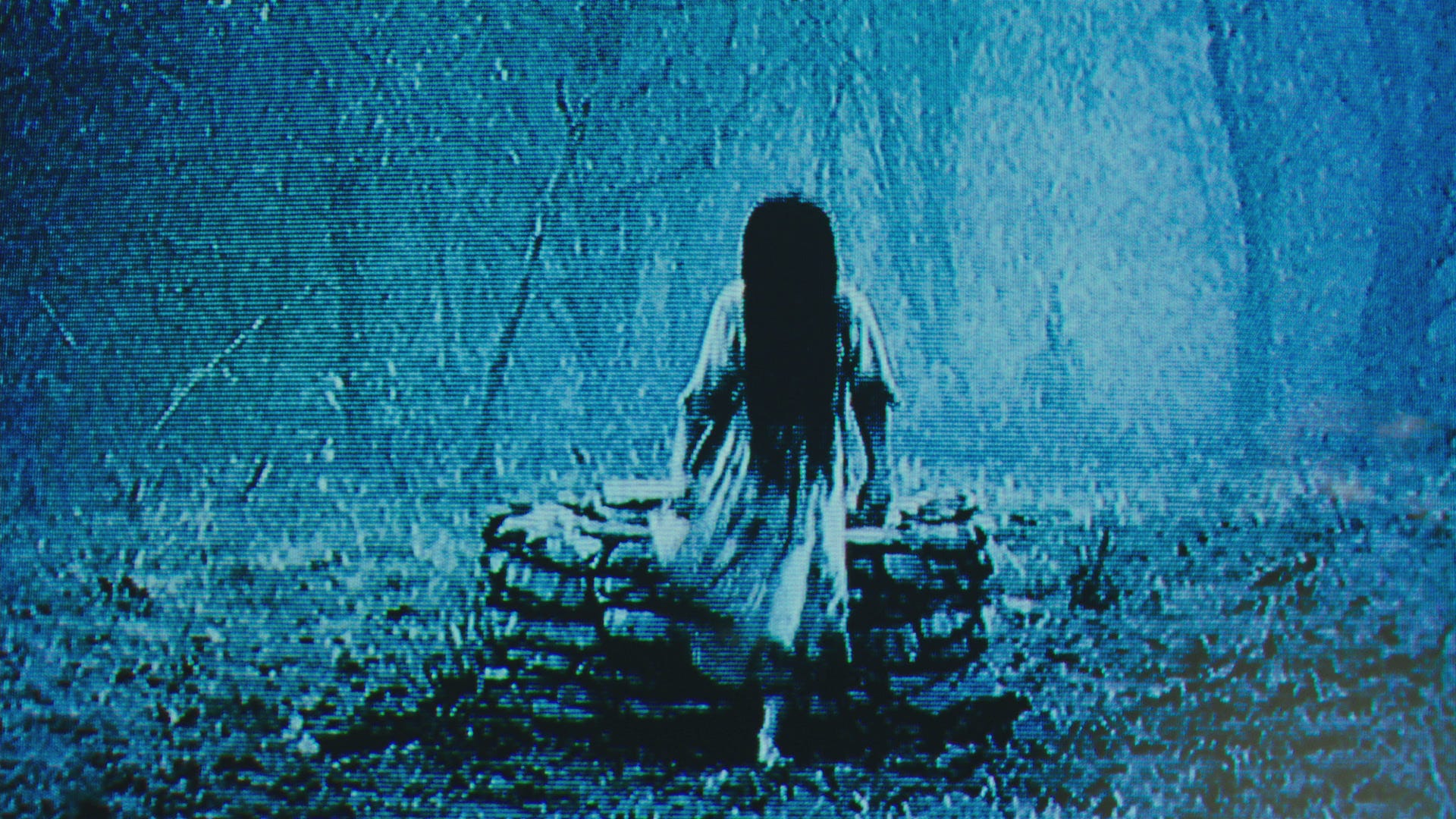
2002’s Ring is probably the film that stamps this trend. There were remakes before, but the success of this one feels like the moment studio execs around the world started to see dollar signs.
Ring is a great film. As far as these J-horror remakes go, it’s head and shoulders above the rest. Gore Verbinski understands what makes Ringu so unsettling. His version is not a cheap imitation; it actually feels like it’s in conversation. You can’t say the same for most of these J-horror and K-horror remakes. They’re usually just jump scare fests that strip the mystique of their stories away completely. Most of these films have the exact visual palette (cold blue tones with hazy lighting), which undermines the original aesthetics of these stories.
The Grudge remake from 2004, for example, plays out like an SNL parody of the (terrifying) original, and I struggle to take it seriously. Outside of the two mentioned, most of these remakes crashed and burned. They were either complete misfires (One Last Call) or bland retellings (The Uninvited) that didn’t stick much beyond their theatrical runs.
It’s a shame that so many American horror fans still have no idea that these films are remakes. Every time you tell a fan of The Uninvited about A Tale of Two Sisters, an angel gains its wings. The Americanized remakes of these films are cynical cash grabs meant to undermine the Japanese originals.
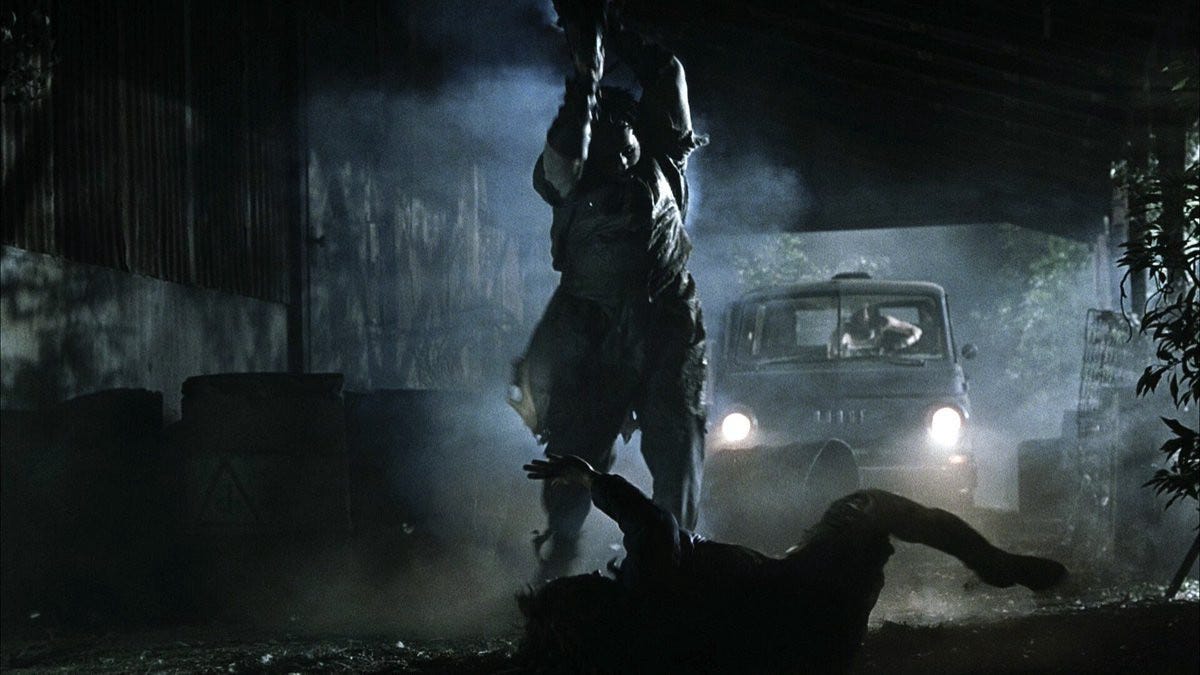
While these attempts were floundering in the states, Michael Bay and his production company, Platinum Dunes, had different plans up their sleeves. They set out to modernize iconic horror flicks that had overstayed their welcome with increasingly ridiculous sequels. The goal was to strip these stories back to the recognizable parts and resell them to audiences. The first remake to come from Platinum Dunes was 2003’s Texas Chainsaw Massacre.
The Texas Chainsaw remake is pretty divisive in the horror community. I know many who regard it as the best horror remake (especially of this era), while others blame it for the deluge of mediocrity that came after. It’s not a perfect remake, and it doesn’t hold a candle to the original when it comes to social commentary or the claustrophobic feel, but it nails the look and vibe of a Texas Chainsaw film. It knows what you want to see: a group of clueless teens stumbling upon a murderous family. The film gives you that by employing new ideas and pulling unexplored threads from the original. It’s shot by the same DP, Daniel Pearl, so while it may lack some of that 70s grit, it still puts you back in that disgustingly intriguing world seamlessly.
Texas Chainsaw’s success started a chain effect that would dominate the decade. They didn’t just come from Platinum Dunes either; pretty soon, every filmmaker was pitching their own retelling of a horror classic. Just between 2003 and 2006, we got remakes for Willard, House of Wax, Amityville Horror, When a Stranger Calls, and The Fog, just to name a few. Some of the remakes brought fresh ideas to the plate, like Zach Snyder’s Dawn of the Dead or Spielberg’s War of the Worlds, but those were few and far between in the sea of generic retreadings.
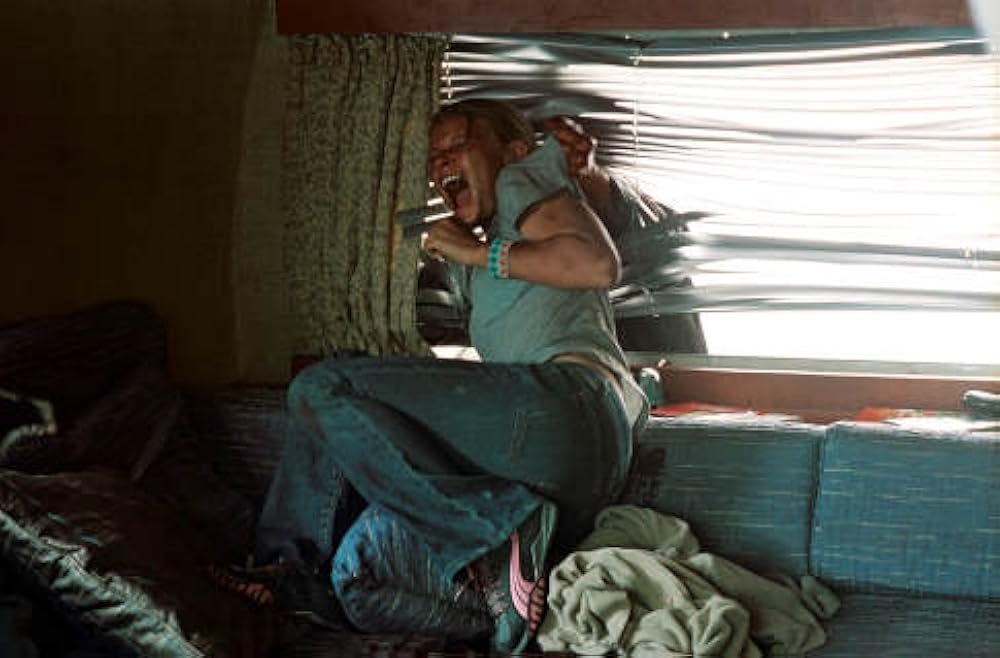
I do enjoy a few of the films from this early phase of remakes. Alexander Aja’s The Hills Have Eyes stands out as a gem among the junk. It carries Wes Craven’s mean streak and is somehow even more shockingly violent. It doesn’t feel like a director trying to modernize a cult classic; it feels like someone who really understands what made 70s horror so timeless and applied it to the modern day. More remakes need to take the latter approach.
Funnily enough, a majority of these remakes have garnered cult followings of defenders. You never know when you’ll run into someone whose favorite movie is The Omen (2006). I get it. These films are practically time machines to a bygone era. They’re extremely nostalgic and employ a dated but novel style that we don’t see anymore. Many of these films look and feel like music videos for death metal songs with their flashy zooms and quick edits—which makes sense considering the number of music video directors responsible for these films.
Platinum Dunes led the charge through the mid 2000s as this trend was really heating up. After a prequel to their Texas Chainsaw remake (that’s how confident they were), the studio released a remake of The Hitcher, a 1987 cult classic starring Rutger Hauer as a murderous hitchhiker. The 2007 remake has nothing to offer other than a fun performance from Sean Bean, but it’s the perfect example of why a majority of these remakes failed the test of time. The Hitcher was so interested in modernization that it instantly dates itself. From the misplaced Nu-metal needle drops to the trendy casting (sorry, Sophia Bush!), this film was already tacky by 2010, while the original holds up to this day.
Besides Texas Chainsaw Massacre, none of these films touched the impeachable classics. Specifically, the ‘big three’ of slasher franchises (Friday the 13th, Nightmare on Elm Street, and Halloween) seemed untouchable for a while. That was until 2006, when Rob Zombie would open the floodgates with his reimagining of Halloween.
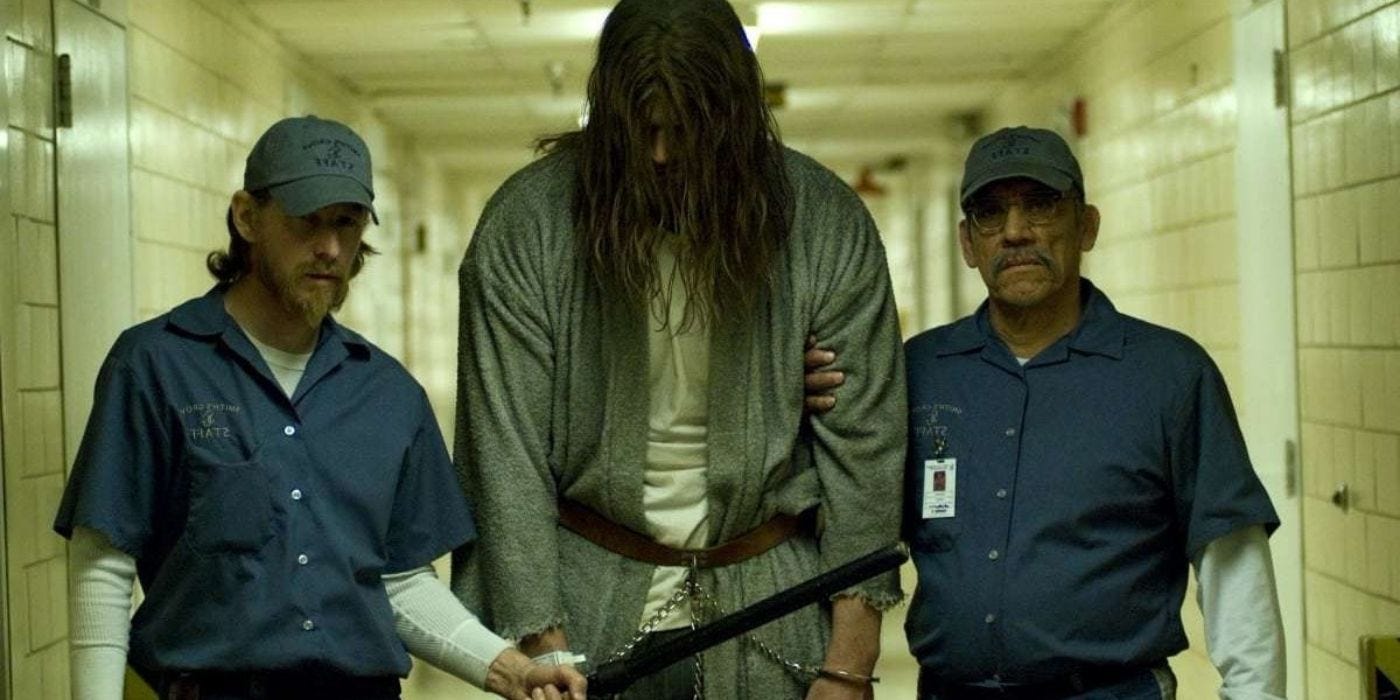
Rob Zombie’s Halloween is a fascinating object. It’s clear that Zombie was passionate about the franchise and had a concrete vision. His version of Halloween is overly stylized, more reliant on gore, and frankly just much meaner than the original. The idea to explore Michael Myers as a sympathetic villain is a flawed one, as the robotic behavior is what has cemented him as a legendary villain, but you have to give ole Rob some credit for trying. This film (and the straight-up bizarre sequel) has some real shooters in the horror community, and I can’t necessarily blame them.
I think Halloween’s success gave Platinum Dunes the confidence to tackle these classics. In 2009, we would see their Friday the 13th remake, directed by Texas Chainsaw 2003’s Marcus Nispel.
I actually quite like the Friday the 13th remake. It’s sneakily a remake of pt.2, using the events of the original for a fun opening montage. This allowed the remake to employ its iconic slasher as much as possible, skipping the Ms. Vorhees twist. This remake completely understood what made the original pop in the late 70s. These films were never trying to be prestige. Unlike its peers, the Friday series was never attempting any social commentary or subtext—they were fun summer slasher films where hot twenty-somethings got killed in creative ways. The remake is unapologetically schlocky, but it’s so in on the joke that it circles back to clever. The very next year, Platinum Dunes tried again. This time, the result was so bad that it basically single-handedly ended this trend.
Wes Craven’s Nightmare on Elm Street is the most unique of the mainstream slasher franchises. Unlike Jason, Michael, or Leatherface; Freddy Krueger is explicitly paranormal and speaks almost as much as he kills. Where the others get by on physical intimidation, Freddy’s brand of terror comes from his cruel sense of humor. The jokes may seem like comic relief, but they actually add a deeper layer to the horror. The remake omits almost all of this, turning Kruger into a cliché demonic villain. Jackie Earl Haley does his best to fill Robert Englund’s iconic shoes, but the material gives him nothing to work with. The film does attempt a new backstory, but it fails to commit before anything interesting comes of it. This is easily the worst of this era and one of Hollywood’s most confounding blunders.
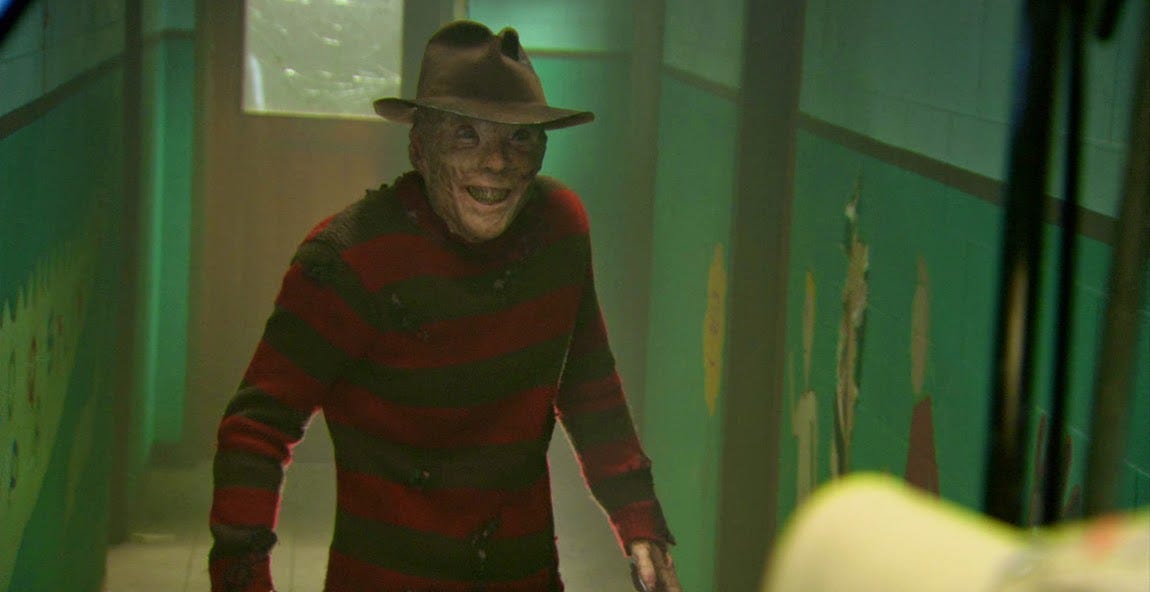
The late 2000s saw what I call the ‘extinction burst’ of horror remakes. Audiences were catching on to the formula and starting to feel duped. For every auteur-driven or fun remake, there were ten Amityville horrors. The big ones, like Friday or Nightmare, made money, but those franchises have decades of goodwill and name value behind them. The rest of these films were dead on arrival.
There are two remakes from this era that personally offend me. Nightmare on Elm Street 2010 is bad, yet I understand why it was made from a financial perspective. When it comes to Prom Night and The Stepfather, those felt like personal jabs against me specifically.
As far as 80s slashers go, Prom Night might be the most underrated. I think the film is just an iconic slasher mask away from being canonized alongside Halloween or Friday. The revenge-based slasher set during prom night is flooded with 80s imagery, resulting in an aesthetic that should be dated but ends up mesmerizing. So, what does the remake decide to do? Make the whole thing gray and lifeless, of course!
Prom Night (2008) is shot like a bad episode of Law and Order: SVU. The characters are all cardboard cutouts, and the killer is so generic that I couldn’t tell you a single visual identifier. It abandons the original’s pulpy revenge plot for a cluttered story about obsession. It spits in the face of Prom Night and uses the title to lure in audiences.
The Stepfather (2009) is a bit more faithful to its zany 80s original, but it lacks all charm. It’s a soulless retelling of one of my favorite horror films ever. The choice to change our protagonist from male seems small, but it takes away the layer of commentary that hits so hard in the original. In the original Stepfather film, the gender roles make the “father-daughter” dynamic so tense. There are also some laughably bad scenes here, particularly from the titular Stepfather. The “Who am I here?” delivery is so fumbled that it almost makes that brilliant line come across as cheesy.
These remakes didn’t really die; they just evolved into “legacy-sequels”. The IP/nostalgia strategy remains the exact same, just in a different package. While these legacy sequels are generally higher quality, something in me misses the remake phase, as unsuccessful as it may have been. They were at least pretending to be fresh takes on the material while the legasequels market themselves strictly off of nostalgia. Scream 5 or Halloween (2018) are essentially reboots that are too afraid to cast new characters.
Like most of you, I do have a soft spot for a few of these 2000s remakes. Nobody thinks that they’re all terrible; the problem is that we can’t agree on which of them are the gems and which of them should be forgotten entirely. Horror’s remake phase may have been the result of Hollywood greed, but it helped me differentiate art from product during an impressionable time in my cinematic evolution.
That has to count for something.
To be honest, I actually think Walter Salles' "Dark Water" remake is superior to the Hideo Nakata version. he original is more of a tragic ghost story. The remake is a horror movie about New York real estate, about depression and loneliness, and it has much stronger supporting turns by John C. Reilly and Tim Roth.